
What Are Communication Strategies? 7 Ways to Communicate Better at Work

Over half of employees leave meetings without knowing their next actions or who is responsible for them. Sound familiar?
At the same time, engagement between colleagues (in the U.S. has reduced by more than 30% over the last 12 years, despite professionals now spending roughly 20 hours per week using workplace communication tools.
People are communicating constantly. The issue is that many teams are not communicating effectively.
The disconnect comes at a serious cost. Poor workplace communication costs businesses to the tune of $12,500 per employee every year through missed deadlines, duplicated work, unclear expectations, and wasted time.
This is why businesses are asking the question, what are communication strategies and how do they shape productivity, collaboration, and workplace culture.
Modern workplaces now rely on far more than meetings and emails. Teams communicate through messaging platforms, video calls, project management tools, shared documents, and internal knowledge bases every day. Without clear systems in place, communication quickly becomes fragmented and difficult to manage.
In this guide, we’ll break down nine effective communication strategies that can help teams communicate more clearly and work together more effectively.
What are Communication Strategies?
Communication strategies are structured ways businesses share information, expectations, feedback, and updates across teams. They help employees stay aligned, collaborate more effectively, and avoid the confusion that slows projects down.
Most workplaces use a mix of formal and informal communication every day. Informal communication may include:
- Quick team discussions
- Messaging apps
- Spontaneous collaboration
- Regular day-to-day conversations that naturally develop within a workplace culture.
Formal communication adds structure and accountability. For example, a legal team preparing documents or evidence for a case may need to log updates and approvals through email or project management software.
That creates a clear record of responsibilities, deadlines, and decisions. This is particularly important in industries where accuracy and traceability are vital.
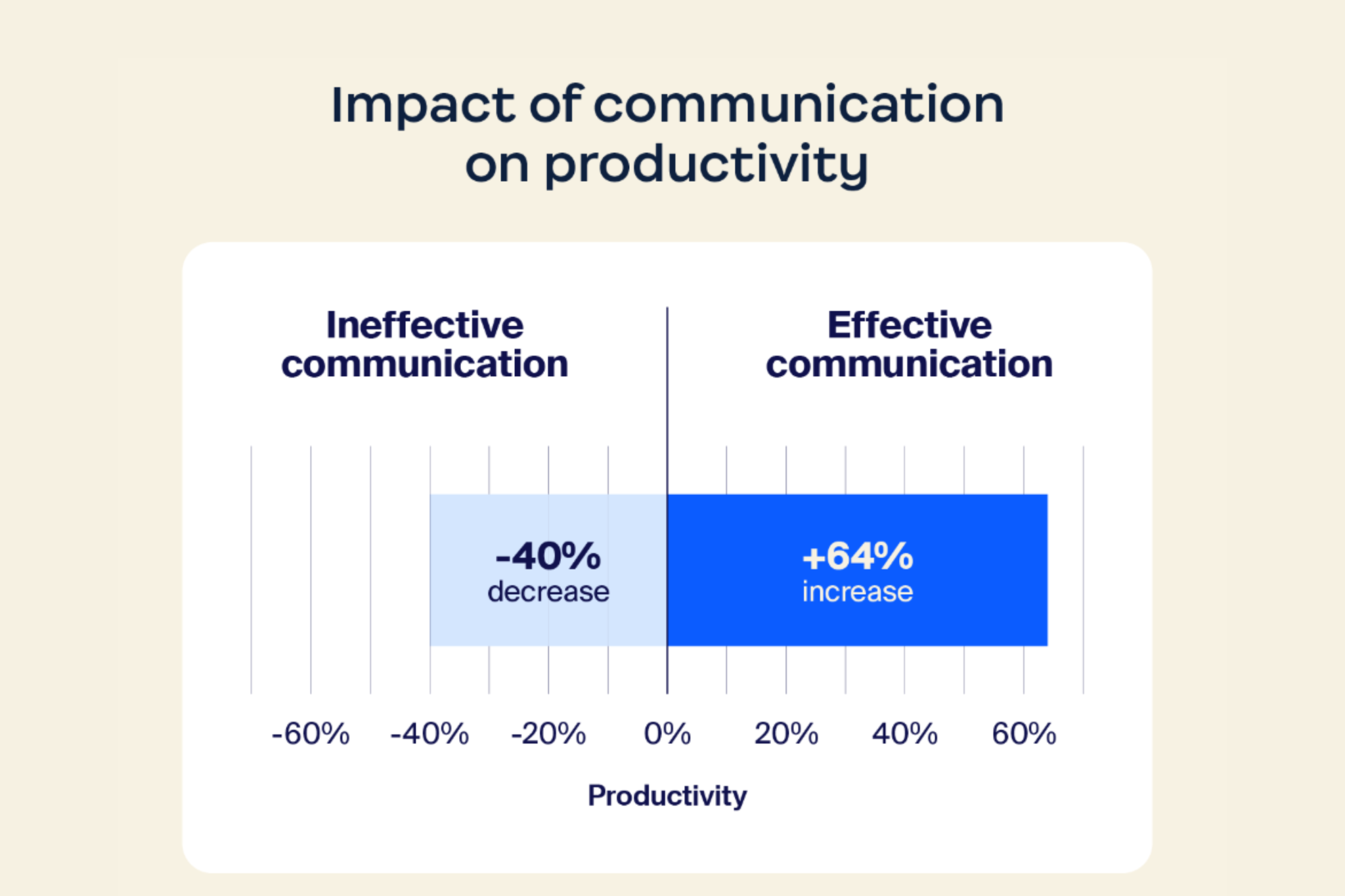
Modern communication strategies usually involve a combination of meetings, messaging platforms, shared documents, video calls, feedback systems, and internal processes.
Many businesses also include communication standards within onboarding materials, internal work manuals, standard operating procedures, and project workflows.
This creates clearer expectations around reporting structures, approvals, response times, and workplace tools.
7 Communication Strategies to Implement Today
Most businesses already understand that communication matters. The challenge is turning that understanding into clear, repeatable systems that employees can follow day to day.
Not every communication strategy will apply to every workplace. But small changes to how you share information, discuss projects, and follow up on tasks can make a noticeable difference across projects and teams.
The strategies below can help you reduce confusion, create clearer accountability, and build communication systems that are easier for employees to work within every day.
1. Set Clear Communication Channels
Few things frustrate employees faster than hunting for information across five different platforms.
A task gets mentioned in Slack. Somebody references it during a meeting. Another update comes through email. By Friday, nobody is fully sure which version is correct or who is supposed to take action.
Try setting simple rules around where different conversations happen within your team:
- Use email for decisions and approvals: If something affects deadlines, responsibilities, budgets, or client work, confirm it in a traceable record.
- Use chat tools for fast-moving conversations: Platforms like Slack or Microsoft Teams, alongside many practical Slack alternatives, work best for quick questions, updates, and day-to-day collaboration.
- Use project tools to track ownership: Asana, Trello, or Monday.com give teams one place to check responsibilities, deadlines, and project progress.
The important part is consistency. Team members should not have to guess where updates live or where they should ask for information.
A quick Slack agreement can still happen naturally. The key is following it up afterward through email, CRM notes, or project updates so everybody stays on the same page.
2. Practice Active Listening During Conversations
People often leave workplace conversations believing everybody understood the same thing. In reality, two people can walk away from the same meeting with completely different interpretations of what was discussed.
That usually happens because somebody listened just enough to respond, rather than listening closely enough to fully understand the point being made.
Active listening means giving full attention to the conversation, asking questions when something feels unclear, and confirming key points before moving on. It sounds basic, but many workplace misunderstandings come from assumptions that were never clarified properly.
A few practical habits can help:
- Assign someone to take meeting minutes: This creates a shared reference point for deadlines, responsibilities, and decisions.
- Take notes during calls and meetings: Minor details are often forgotten once conversations move on.
- Use chat functions during remote meetings: Quick clarifications in real time can prevent misunderstandings later.
- Repeat key points back: Confirming deadlines, responsibilities, or next steps helps make sure everyone leaves with the same understanding.
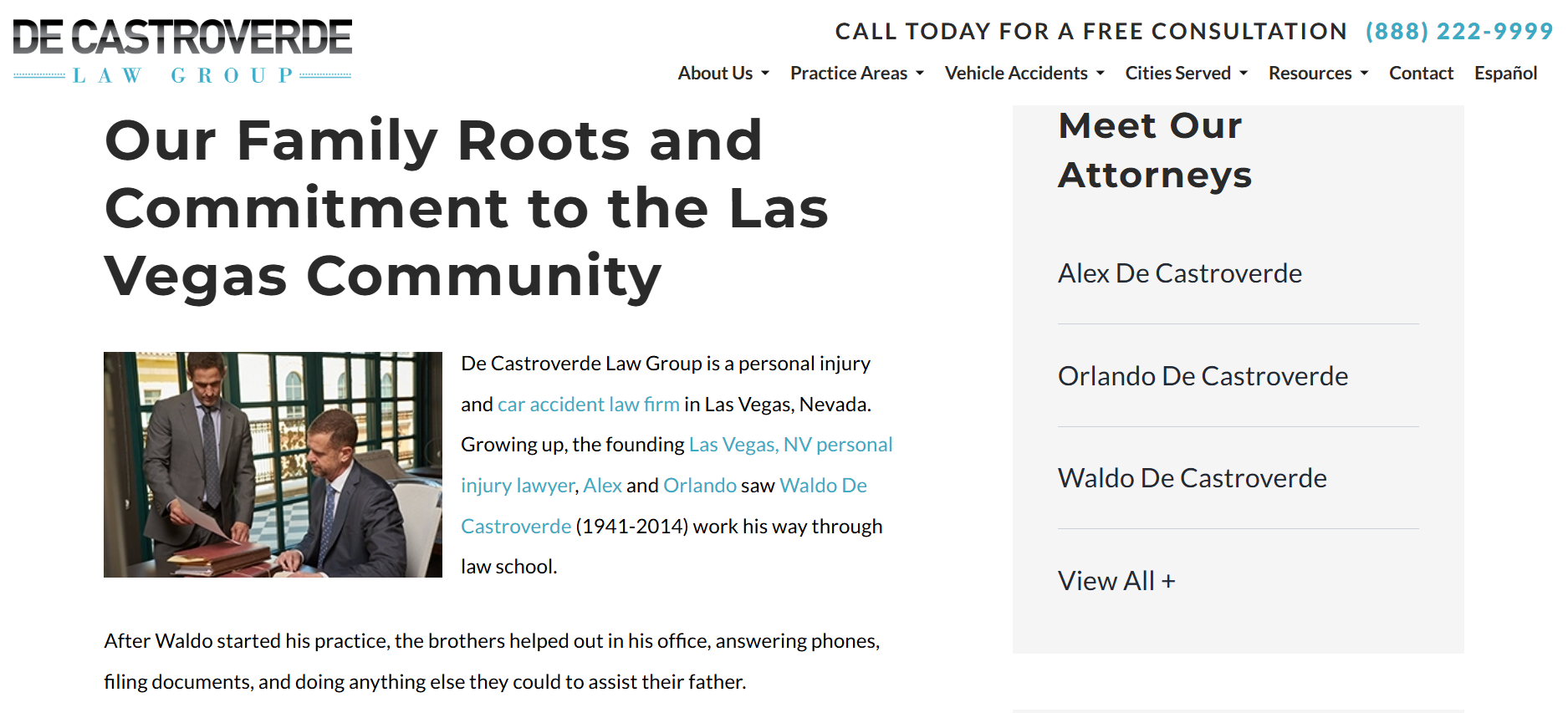
What happens after the conversation matters just as much. In an accident and injury law firm, for example, a legal assistant may sit in on a client meeting purely to take notes.
Those notes are then passed to the attorney handling the case, who follows up with the client afterward to confirm timelines, responsibilities, and next steps in writing.
Without a set follow-up process, notes from the meeting may never get clarified properly. Details get missed, assumptions creep in, and people leave conversations with completely different expectations around timelines, responsibilities, or next steps.
3. Encourage Open and Honest Feedback
You or your colleagues will likely catch communication problems way before management does.
Think about it: deadlines get pushed, creative briefs are a mess, and processes are totally overlooked. All of a sudden, you’re under pressure to provide a document after lunch that should have been requested two weeks in advance.
There’s a simple reason for this being a common occurrence. People don’t feel comfortable questioning decisions or raising concerns directly. And yes, this is a basic communication problem.
Simple changes can open up awkward situations very quickly:
- Set short one-to-one check-ins instead of group reviews.
- Create anonymous feedback forms for larger teams.
- Organize post-project discussions where employees can speak honestly about what worked and what didn’t.
- Build processes where managers actively ask questions instead of waiting for problems.
Team members will speak openly when feedback is built into the system, so make communication part of the system, instead of waiting for high-pressure conversations attached to performance reviews.
Again, legal firms provide a good example here. In a busy accident and injury practice, a legal assistant may notice that key medical records are repeatedly arriving late because client instructions are unclear during onboarding calls.
If nobody feels comfortable raising that issue internally, the same communication problem continues across dozens of cases and creates avoidable delays for both the legal team and the client.
4. Stop Turning Every Update Into a Meeting
There’s a theory in business that 70% of meetings are unnecessary.
This type of generalization isn’t always helpful. But if that many respondents to a survey feel that way, it’s worth thinking about. How many meetings do you attend just because they’re in the calendar? How many “All-Hands” end up being identical every day?
Meetings still matter, especially for planning sessions, collaborative discussions, onboarding, problem-solving, or sensitive conversations. The issue exists when every update automatically becomes a call.
Use meetings when people need to debate ideas, solve a problem, make a decision, or handle something sensitive. Use email, Slack, Teams, CRM notes, or project tools when the team simply needs an update, confirmation, or record of what has changed.
A more efficient meeting process usually looks like this:
- Define the purpose before booking it: Is this a brainstorm, review, decision, handover, training session, or check-in?
- Give people something to prepare: Share briefs, reports, case notes, creative examples, or questions in advance so the meeting starts with context.
- Assign actions before the next meeting: The next call should not repeat the same discussion because nobody knew what to do between meetings.
- Record decisions somewhere traceable: Meeting value disappears quickly if actions, owners, and deadlines are not written down afterward.
Handled well, meetings become part of the workflow instead of interruptions to the work itself.
5. Know When to Talk, Message, or Meet
A lot of workplace communication problems come from using the wrong method for the situation.
Think about the number of times an issue could have been solved with a five-minute conversation rather than a 20-email thread. Or, a great casual desk conversation ended up with no clear action taken or confusion over what needed to happen next.
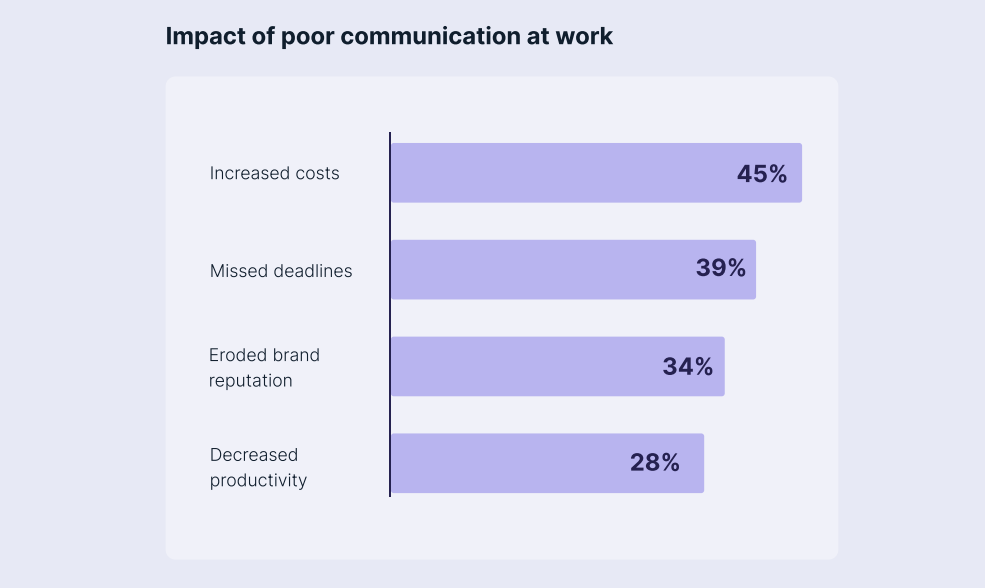
Improving communication often comes down to reading the situation properly and understanding how the people around you work best.
A few practical habits help here:
- Use face-to-face conversations or calls to solve simple back-and-forth issues quickly.
- Book a dedicated meeting time when projects need planning, brainstorming, or clear decision-making.
- Avoid sending long emails when a short conversation would explain the issue faster.
- Follow important verbal conversations with written summaries so expectations, timelines, and responsibilities are clear afterward.
Role and seniority matter too. A department head may only need a concise project summary before approving work. A colleague managing technical work may need detailed context before starting a task properly.
Creative discussions may work better in collaborative meetings where ideas can be reviewed live instead of through scattered messages.
You will find that teams work better when you stop treating every situation the same way, but still adhere to overall communication principles.
6. Use Communication Tools (That Suit Your Setup)
A common problem in modern workplaces is teams talking constantly without actually moving projects forward efficiently. Updates bounce between Slack channels, inboxes, shared drives, and meetings while tasks remain unclear or unfinished.
The strongest teams use collaboration tools with a clear purpose tied directly to workflow and accountability.
For example:
- Project tasks should live somewhere visible. Platforms like Asana, ClickUp, or Monday.com give teams one place to check deadlines, ownership, progress, and next actions without needing another update meeting.
- Shared documents work best during collaborative stages of a project. Brainstorms, campaign plans, reports, onboarding documents, and creative drafts are much easier to manage when multiple people can review and edit material live.
- CRM systems help keep client-facing communication organized. Sales calls, approvals, onboarding notes, follow-ups, and customer issues can all be tracked in one place instead of sitting across disconnected inboxes or spreadsheets.
- Internal messaging tools should support workflow, not replace it. Quick updates and conversations work well in Slack or Teams, but important decisions and completed actions still need to be documented properly afterward.
Collaboration tools should reduce the amount of time teams spend asking for updates, checking who owns a task, or trying to locate the latest version of a document.
The stronger systems create clearer workflows where employees can immediately see what has been completed, what still needs attention, and where the project currently stands.
7. Recognize Team Wins
Constant “great job, everyone” messages or mandatory shoutouts during meetings quickly become background noise, especially when expectations, responsibilities, and project goals were never clearly communicated in the first place.
Recognition within your group will land better if people connect it to real work and real outcomes.
Let’s say:
- Your team delivers a difficult project ahead of schedule.
- Someone steps in to solve a problem before it escalates.
- Departments work together smoothly during a high-pressure period.
- Staff handles a difficult client situation professionally under pressure.
Those are real wins that your team will genuinely notice. The work should be acknowledged.
Recognizing wins is one of the things that differ most depending on the business. Smaller businesses may head for drinks after a successful launch or quarter. Corporate teams may organize lunches, wrap-up sessions, or informal celebrations after major deadlines are hit.
Even a quick message acknowledging exactly what somebody contributed can carry more weight than generic praise repeated every Friday afternoon.
In an accident and injury law firm, a successful case outcome may ultimately be presented by the attorney in court.
Behind the scenes, legal assistants may have spent weeks organizing records, tracking medical documentation, coordinating client updates, and preparing files under pressure. People notice when that level of work gets acknowledged properly.
Build Communication Into Your Workplace Culture
Communication strategies are rarely built through one major change. Most teams improve communication through smaller habits that become part of everyday work over time.
That might mean creating clearer onboarding guides, setting expectations around meetings and follow-ups, documenting responsibilities more consistently, or establishing communication standards that the wider team understands and follows.

Vaayu is a full-time blogger and content writer with a passion for digital marketing. With years of experience in the industry, he shares practical tips, insights, and strategies to help businesses and individuals grow online. When not writing, Vaayu enjoys exploring new marketing trends and testing the latest online tools.